Call 678-460-7374 today for a free quote!
Our flagship · North Metro Atlanta

The Turf Care Program

Eight visits a year that feed the lawn and keep weeds out.

Feeding, pre-emergent and post-emergent weed control on a schedule built around Georgia weather and your grass type. Start any month you like; whatever round is next is where you join.

  • Eight visits a year
  • Bermuda, Zoysia, Fescue
  • Two pre-emergent windows
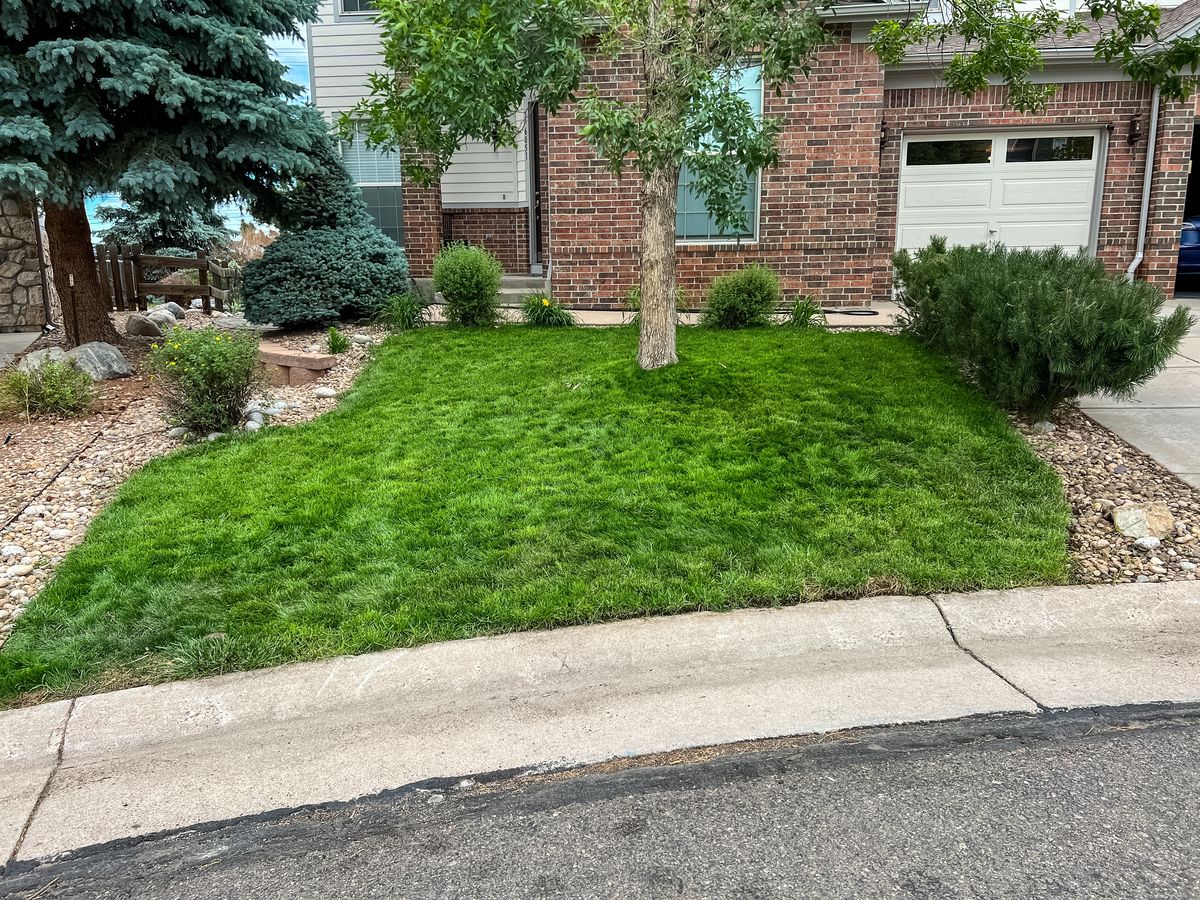
A freshly treated green lawn in front of a brick home
8Visits a year, about every six weeks
2Pre-emergent windows: late winter and early fall
3Grass types, each on its own feeding schedule
1Owner who knows your lawn by name
The whole year

Here's how the year goes.

Switch between warm-season lawns and Fescue to see what each round does for your grass.

Round 6 September to October Happening now

Fall pre-emergent and root feeding

The second pre-emergent window of the year. Potassium toughens up the roots before dormancy, and the last of the summer weeds get cleaned up.

This is the big one for Fescue: aeration, overseeding and a strong fall feeding. The pre-emergent waits until the new seed has come up and been mowed.

Round by round

What we do on each visit.

01 January to February

Late-winter pre-emergent

The first crabgrass barrier goes down before the soil warms up, plus a post-emergent for the winter weeds that are already up.

Bermuda and ZoysiaWith Bermuda and Zoysia dormant, winter weeds are easy to spot and treat. The pre-emergent goes down now so crabgrass and goosegrass never get started.
FescueFescue is up and growing. We treat the henbit, chickweed and poa annua and get the pre-emergent down, keeping it off anywhere you're planning to seed in spring.
02 March to April

Spring barrier and broadleaf control

The second half of the pre-emergent carries the barrier into summer, and broadleaf weeds get a targeted post-emergent.

Bermuda and ZoysiaAs the lawn greens up we shore up the barrier and clean out the dandelion, clover and whatever other broadleaf weeds showed up, before the summer growth kicks in.
FescueA light spring feeding gets Fescue growing before the heat arrives. Broadleaf weeds get a selective post-emergent that's safe on it.
03 May

Green-up feeding

Slow-release fertilizer once the warm-season grass is finally awake, with spot treatment for the first summer weeds.

Bermuda and ZoysiaBermuda and Zoysia kick off their main growing season. A slow-release nitrogen feeding thickens the lawn up, and nutsedge or dallisgrass get treated as they show.
FescueFescue starts slowing down as it heats up. We feed lightly if at all, stay on the weeds, and talk through watering before the summer stress hits.
04 June to July

Summer feeding and pest watch

A balanced feeding for peak growth, spot treatment for weeds, and a look around for grubs and early disease.

Bermuda and ZoysiaPeak season. The lawn gets its biggest feeding of the year, weeds get spot treated, and we're watching for grub damage and dollar spot.
FescueNo heavy nitrogen in this heat. We keep the weeds in check, watch for brown patch, and focus on getting the lawn to fall in one piece.
05 August

Late-summer feeding and armyworm scouting

A lighter feeding, weed spot treatment, and a close eye out for fall armyworms as the moths roll in.

Bermuda and ZoysiaGrowth's still strong. We feed to carry the color into fall and check every lawn for armyworm signs, treating fast if we find any.
FescueThe hardest month of the year for Fescue. We hold off on nitrogen, stay on top of disease, and get the fall aeration and overseeding on the calendar.
06 September to October Happening now

Fall pre-emergent and root feeding

The fall barrier goes down to stop poa annua and winter broadleaf weeds, and potassium builds roots for the cold months.

Bermuda and ZoysiaThe second pre-emergent window of the year. Potassium toughens up the roots before dormancy, and the last of the summer weeds get cleaned up.
FescueThis is the big one for Fescue: aeration, overseeding and a strong fall feeding. The pre-emergent waits until the new seed has come up and been mowed.
07 November

Winter weed control

Winter weeds that slipped through the fall barrier get a post-emergent before they set seed.

Bermuda and ZoysiaBermuda and Zoysia are going dormant, which makes the winter weeds stand out. We treat them now so they're not waiting for you in March.
FescueFescue's green and growing. A late feeding keeps the color up through winter, and any broadleaf weeds get cleaned up while they're small.
08 November to December

Soil balancer

A pH-balancing application that gets the soil ready to actually use next year's feeding.

Bermuda and ZoysiaGeorgia clay drifts acidic, and acidic soil ties up fertilizer before the roots can get to it. We balance the pH now, while the lawn's dormant, so the spring feeding isn't wasted.
FescueFescue likes its soil a little closer to neutral than our clay wants to be. Balancing the pH over winter is the difference between a feeding that works and one that washes away.

Included and not included

What the program covers.

  • Fertilization timed to your grass type, slow-release so the color holds
  • Two pre-emergent windows for crabgrass and winter weeds
  • Post-emergent for the weeds that are already up, matched to the weed
  • A soil balancer round in early winter, so the pH lets the feeding work
  • A heads-up before each visit and a note after

Aeration, fungicide, grub and armyworm control, fire ant control and NoSquito are separate services. Most customers add one or two, and we'll tell you which ones your lawn actually needs.

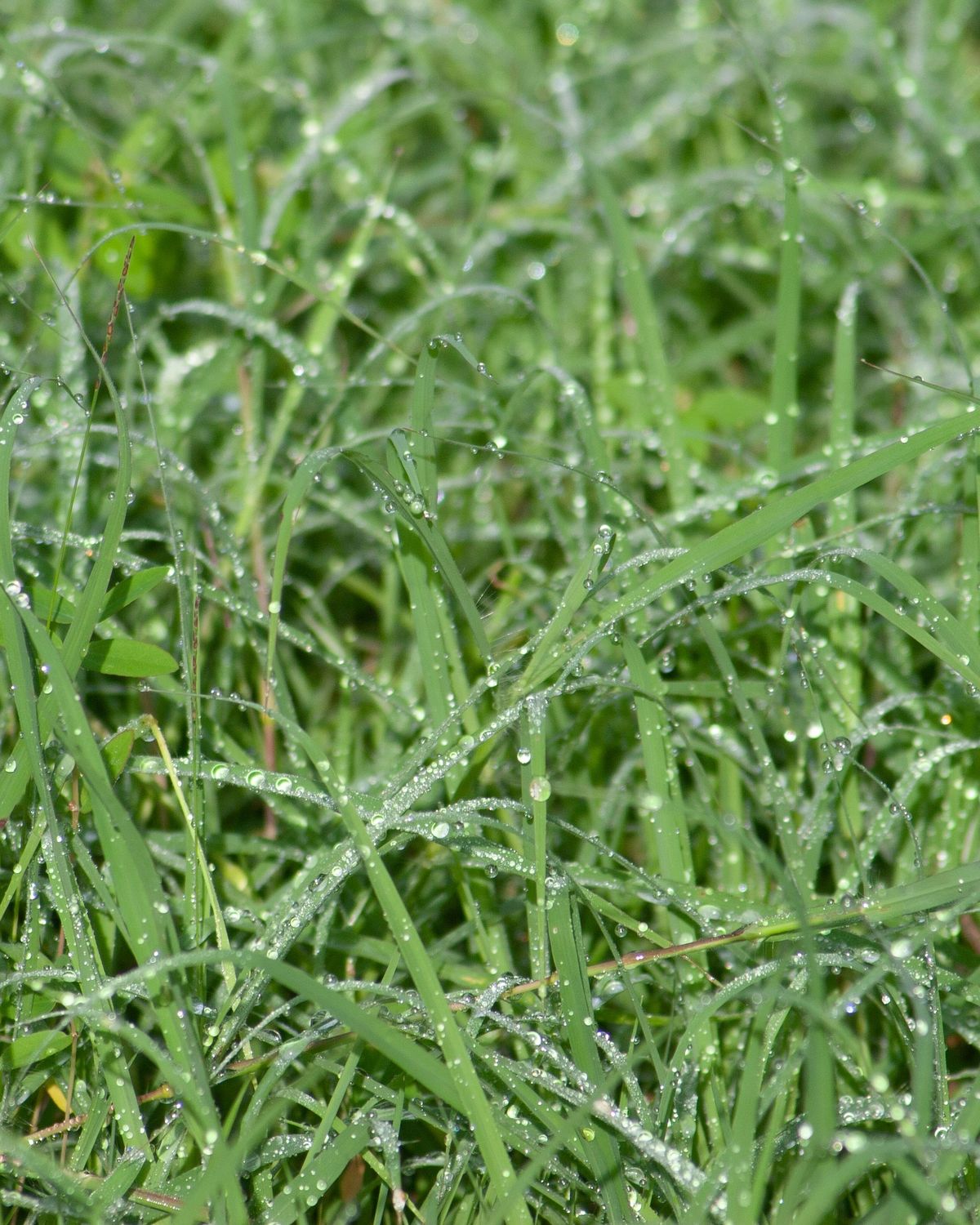
Close-up of healthy turf with morning dew
Program questions

Before you sign up.

What does the Turf Care Program include?

Eight visits a year. Fertilization timed to your grass type, two pre-emergent windows to stop crabgrass and winter weeds before they ever sprout, post-emergent for whatever's already up, and a soil balancer round in early winter to get the pH right.

How far apart are the visits?

About every six weeks. The exact timing follows the weather and the grass, not a date on a calendar, because a pre-emergent that goes down late is one that didn't work.

Which grass types do you treat?

Bermuda and Zoysia, which is most lawns around here, and Fescue for the shaded and cooler lots. Each one gets its own schedule: warm-season lawns eat in the summer, Fescue eats in the fall and spring.

What should I do between visits?

Water deep and less often, early in the morning. Mow at the right height for your grass and keep the blade sharp. We leave a note after every visit with anything specific to that round.

Ready to put your lawn on the program?

Two minutes to tell us about your yard. We'll get back to you within one business day. No contracts to sign on the spot.

Call Get a quote